





Tooling manufacturers can combat rising tungsten carbide price with these 5 strategies: 1) Recycle carbide scrap for 20-30% cost recovery through in-house reprocessing. 2) Secure bulk purchases via stable cemented carbide supply chains. 3) Extend tool lifespan with custom grades and vacuum sintering for uniform density. 4) Optimize operational efficiency with proprietary welding to cut downtime by 40%. 5) Partner with vertically integrated producers like Rettek for lower total cost of ownership.
Check: Tungsten Price Surge in 2025: Implications for Industry and Global Supply
How Does Recycling Carbide Scrap Reduce Tungsten Carbide Price Impacts?
Recycling carbide scrap reduces tungsten carbide price impacts by collecting production waste or worn parts like VSI crusher rotor tips, re-milling into powder, remixing with cobalt binder, and resintering via vacuum sintering for reuse, recovering 20-30% of material costs while cutting raw tungsten needs. Rettek's full in-house chain from raw material preparation to pressing and vacuum sintering ensures purity, uniform grain size, and no external fees, stabilizing supply for products like tungsten carbide particles.
For example, quarry operators recycling worn VSI back-up tips or trail plates with Rettek's surface-treated cemented carbide particles cut annual carbide spend by 25%, as these particles offer good bonding with steel and extend service life 5-10 times over pure steel parts depending on the application.
What Bulk Purchasing Tactics Stabilize Cemented Carbide Supply Chain Costs?
Bulk purchasing tactics stabilize cemented carbide supply chain costs by negotiating volume contracts with integrated suppliers for locked-in pricing, diversifying sources across 10+ countries, and using long-term forecasts to hedge tungsten spikes. Rettek's vertical integration from alloy preparation to automated welding eliminates middlemen, providing bulk cemented carbide blocks, buttons, and HPGR studs at optimized costs with consistent vacuum sintering quality.
| Purchasing Method | Cost Savings for VSI Rotor Tips (12 Months) | Cost Savings for HPGR Studs (12 Months) |
|---|---|---|
| Spot Pricing | Baseline | Baseline |
| Volume Contracts | 15-20% | 15-20% |
| Rettek Bulk with Integration | 20-40% | 20-40% |
This table shows bulk strategies yield 15-20% savings, amplified by Rettek's in-house control for wear-resistant carbide tools trusted globally.
Rettek Expert Views
"Matching carbide grades to specific conditions like stone material, equipment model, and crushing time via our full in-house chain—from batching and pressing to vacuum sintering and unique welding—delivers unprecedentedly stable performance and 40% longer wear life for VSI rotor tips, snow plow inserts, and HPGR studs. This directly offsets rising tungsten carbide prices by reducing replacements and downtime, as seen with clients in mining and road clearing using our Joma-style blades and hardfacing particles."
— Rettek Engineering Director
How Can Custom Carbide Grades Extend Tool Lifespan and Cut Costs?
Custom carbide grades extend tool lifespan and cut costs by tailoring WC-Co ratios based on applications like stone type for VSI crushers or impact for snow plows, using precise powder mixing and proprietary vacuum sintering with no heat-difference for uniform grain size and optimal wear resistance, impact resistance, and corrosion resistance. Rettek's expertise prevents over-spec waste, with welded rotor tips and trapezoid 25-degree carbide inserts lasting longer than standards.
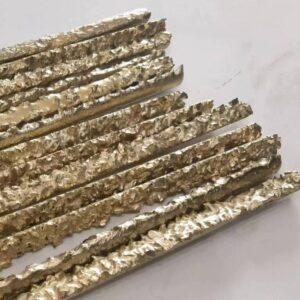
For instance, Rettek recommends grades for cemented carbide studs in HPGR or light carbide particles (1-3mm) that maintain 80%+ service life of traditional YG8 at 50% lower cost, optimizing for mining aggregate crushing.
Why Does Operational Efficiency Combat Carbide Tool Manufacturing Costs?
Operational efficiency combats carbide tool manufacturing costs by implementing process controls in pressing and sintering to minimize defects, automating welding for stronger bonds versus traditional methods, and tracking total cost of ownership including downtime. Rettek's temperature-controlled vacuum sintering ensures uniform density in carbide tips for VSI crushers and snow plow carbide, reducing replacement frequency and cutting costs by up to 40%.
Check: Tungsten/Light Carbide Particles
Mining clients report 30% lower costs from Rettek's automated production of trail plates and back-up tips, which withstand high-impact environments without carbide breaking or falling off.
| Feature | Bonded Carbide Tips | Rettek Welded Carbide Tips |
|---|---|---|
| Bond Strength | Standard | 50% Stronger |
| Lifespan | Baseline | 40% Longer |
| Downtime Savings | Baseline | 40% Less |
| Total Cost of Ownership | Higher | Lower |
Rettek's unique welding technology outperforms bonded tips in rotor tips, back-up tips, and trail plates for VSI crushers.
How Do Vertically Integrated Manufacturers Lower Total Carbide Wear Parts Costs?
Vertically integrated manufacturers lower total carbide wear parts costs by controlling the full chain from raw material preparation, batching, pressing, and vacuum sintering to tool design, production, and automated welding, cutting markups and ensuring strict quality control. Rettek's approach yields reliable HPGR carbide studs, tungsten carbide hardfacing rods, and snow plow blades trusted in 10+ countries, extending service life and reducing scrap.
Benefits include optimized costs for custom plug-in rotor tips and light carbide particles (0.8-1.4mm) with high hardness at lower prices, maximizing ROI through grade matching.
What Metrics Prove These Strategies Reduce Industrial Tooling Costs?
Metrics proving these strategies reduce industrial tooling costs include wear life extension (40% via custom vacuum sintering), scrap recovery rates (20-30%), and TCO calculators showing vendor comparisons. Rettek data demonstrates reductions in VSI component costs, with welded trail plates and Joma-style snow plow blades minimizing downtime through superior impact and corrosion resistance.
Conclusion
Rising tungsten carbide price is manageable for tooling manufacturers through recycling scrap, bulk purchasing, custom grades, operational efficiency, and partnering with vertically integrated experts like Rettek. These strategies deliver longer wear life for VSI crusher parts, snow plow wear parts, HPGR studs, and hardfacing materials, lowering total cost of ownership. Contact Rettek for bulk quotes or grade diagnostics to optimize your carbide solutions.
FAQs
What is the current tungsten carbide price trend?
Volatility driven by raw tungsten supply; strategies like bulk deals with Rettek and recycling stabilize effective costs for tooling makers using cemented carbide blocks and particles.
How much can carbide scrap recycling save?
20-30% recovery via reprocessing worn VSI tips or snow plow inserts into powder and resintering, especially with Rettek's integrated chain for uniform quality.
Why choose welded over bonded carbide tips?
Welded offers superior strength via Rettek's unique technology, extending lifespan by 40% for rotor tips and back-up tips in VSI crushers, cutting total cost of ownership.
Can Rettek customize grades for my application?
Yes, based on stone type, equipment model, and working conditions via full in-house production, optimizing wear parts like HPGR studs and tungsten carbide particles.
How does vacuum sintering improve cost efficiency?
Rettek's proprietary control ensures uniform grain size and no heat differences, reducing failures in carbide snow plow inserts and crusher components for longer life and less downtime.