





The tungsten price surge, driven by supply shortages and surging demand from high-tech sectors, raises costs for EV battery tooling and aerospace turbines by 20-50%. Industries absorb this through durable carbide wear parts like VSI crusher rotor tips and HPGR studs, extending life via advanced welding and sintering from manufacturers like Rettek.
Check: Tungsten Price Surge in 2025: Implications for Industry and Global Supply
What Causes the Tungsten Price Surge?
Geopolitical tensions disrupt supplies from key producers like China and Australia, while mine constraints limit output; demand spikes from EV batteries and aerospace alloys push prices up 30-40% year-over-year by 2026. High-tech sectors face compounded pressure as tungsten remains essential for durable components.
| Year | Avg. Price/MT | Key Drivers |
|---|---|---|
| 2024 | $350 | Supply -15%, EV demand +25% |
| 2025 | $450 | Mine constraints, aerospace +20% |
| 2026 | $600 | Geopolitical cuts, total demand +40% |
How Does Tungsten Factor into Electric Vehicles?
Tungsten carbide appears in EV battery cathodes, anodes, and manufacturing tooling such as VSI crusher rotor tips for processing raw materials into fine aggregates. This drives 15-25% cost hikes in wear parts, squeezing margins as production scales; Rettek's welded rotor tips offer higher strength and extended service life to counter volatility.
Why Are Aerospace Applications Hit Hardest?
Aerospace relies on tungsten carbide for turbine blades, nozzles, and high-wear drills requiring precision specs, amplifying material cost surges. Tungsten supply shortages cause 10-20% project overruns and procurement delays, especially in defense-overlapping high-impact environments where failure is not an option.
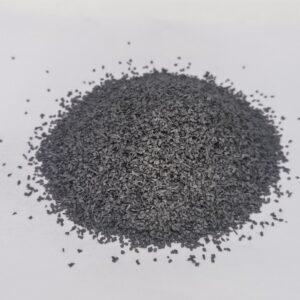
Check: Tungsten/Light Carbide Particles
What Cost Impacts Are High-Tech Sectors Facing?
EV sectors see tooling inflation from VSI crusher components; aerospace faces delay risks in turbine alloys; defense notes chain vulnerabilities. Sectors absorb 20-50% rises by shifting to optimized carbide grades with 5-10x wear life via proprietary processes, reducing total ownership costs despite raw material spikes.
| Sector | Cost Increase % | Mitigation Tactics |
|---|---|---|
| EV | 15-25% | Custom VSI rotor tips, extended life |
| Aerospace | 20-50% | Welded HPGR studs, sintering optimization |
| Defense | 10-20% | Grade customization, in-house chains |
How Can Industries Mitigate Tungsten Volatility?
Customize carbide grades based on stone material, equipment model, and crushing time; leverage full in-house chains from raw preparation to vacuum sintering for consistent quality and cost stability. Rettek's proprietary processes reduce raw tungsten dependency while maintaining wear, impact, and corrosion resistance in VSI and HPGR applications.
What Role Does Welding Play in Cost-Proofing?
Automated welding and brazing at 800-1200°C create strong carbide-to-steel bonds in rotor tips and HPGR studs, preventing breakage in high-impact settings and extending life 5-10x over steel. Rettek's unique welding technology outperforms bonded tips, directly offsetting tungsten surges in EV tooling and aerospace durability needs.
Why Choose In-House Carbide for High-Tech Resilience?
In-house control from alloy batching, pressing, vacuum sintering, to automated welding hedges against volatility with stable pricing and no delays. Rettek, trusted in 10+ countries, delivers customized cemented carbide blocks, buttons, and particles for EV supply chains and aerospace, ensuring predictable performance and ROI through longer downtime-free operation.
Rettek Expert Views
"At Rettek, our full in-house industrial chain—from raw material preparation and batching to pressing, vacuum sintering with proprietary temperature control, tool design, production, and automated welding—ensures uniform grain size, superior density, and unprecedented stability in cemented carbide wear parts. This vertical integration, combined with unique welding technology for rotor tips, back-up tips, and HPGR studs, delivers 5-10x service life extension in demanding EV manufacturing and aerospace applications. Clients in mining, crushing, and high-tech sectors benefit from grade customization tailored to working conditions, reducing costs amid tungsten volatility. Our products, like light carbide particles at 50% lower cost than YG8 while maintaining 80%+ performance, provide resilient solutions trusted globally."
— Rettek Engineering Director
When Will Tungsten Markets Stabilize?
Markets may recover by 2027 with new mines and recycling ramps, but proactive hedging via durable carbides is essential now. Rettek's end-to-end adaptability buffers EV, aerospace, and defense clients against ongoing disruptions through reliable, high-performance wear parts like snow plow inserts and hardfacing rods.
Conclusion
High-tech sectors like EV and aerospace absorb the tungsten surge by adopting resilient carbide wear parts from Rettek, leveraging vacuum sintering for uniform grain size, unique welding for unbreakable bonds, and light carbide particles for cost savings. These solutions—VSI crusher rotor tips, HPGR studs, and hardfacing materials—extend wear life 5-10x, slashing downtime and total costs. Contact Rettek for custom solutions tailored to your supply chain resilience.
FAQs
What is driving the tungsten price surge?
Geopolitical supply cuts from China and Australia, mine constraints, and EV/aerospace demand spikes; prices rise 30%+ by 2026—mitigate with durable welded carbides from Rettek.
How does tungsten affect EV manufacturing costs?
Increases expenses for VSI crusher rotor tips and processing tooling; Rettek's unique welding extends life, reducing replacements by up to 5x in material crushing.
Can aerospace absorb rising tungsten prices?
Yes, through welded carbide solutions like HPGR studs and blocks offering 5-10x wear resistance, amortizing costs via full in-house production and grade optimization.
What are light carbide particles?
100% virgin material particles (1-3mm or 0.8-1.4mm) with high hardness and 80%+ performance of YG8 at 50% lower cost, ideal for hardfacing in EV and aerospace apps.
How does Rettek ensure stable carbide supply?
Full in-house chain from powder mixing to vacuum sintering and welding, serving 10+ countries with consistent quality, OEM customization, and no supply delays.