





Excessive fines in your cone crusher stem from 5 key issues: (1) Closed side setting (CSS) too tight causing over-crushing, (2) high eccentric speed generating dust, (3) worn mantles leading to uneven gaps and flaky output, (4) inconsistent feed size overwhelming the chamber, (5) low-grade wear parts degrading irregularly. Quick CSS tweaks and carbide upgrades reduce fines by 30–50% for better sand specs.
Check: Which Crusher Is Better for Sand Making: VSI or Cone
What Causes Too Much Fines in Cone Crushers?
Fines are dust-like particles under 1–2mm that clog screens, spike energy costs, and fail sand gradation specs, while flaky output rejects aggregate quality. Over-crushing from tight chambers turns material into powder instead of cubical sand, leading to downtime and rework frustrations in sand making operations.
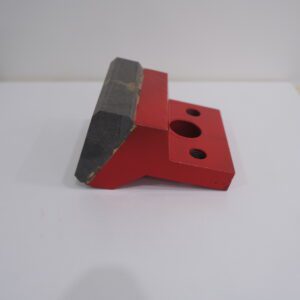
Why Is Your Cone Crusher Producing Dust Instead of Sand?
Dust forms from excessive recirculation of fines due to poor chamber geometry or speed mismatches. Flaky output arises from irregular mantle wear creating uneven crushing zones that produce elongated particles unfit for quality sand production.
How Does Closed Side Setting (CSS) Create Excessive Fines?
Too tight CSS under 10–15mm packs material, shattering it into fines; optimal 15–25mm balances throughput for sand. Measure with feeler gauge, adjust via tramp release hydraulics, avoiding liner damage risks during cone crusher fines adjustment.
What Role Does Eccentric Speed and Feed Play in Fines Production?
| Factor | Ideal for Sand | Fines Trigger | Quick Fix |
|---|---|---|---|
| Eccentric Speed | 300–500 RPM | >600 RPM (over-grinds) | Slow to 400 RPM; monitor power draw |
| Feed Size | 100–150mm max | <50mm fines-fed | Pre-screen to uniform 120mm |
| Feed Rate | 70–80% chamber fill | >90% choke-feed | Automate via level sensors |
These settings control fines in cone crushers; power spikes signal overload, worsening flaky output with variable feed in sand making.
Why Do Worn Mantles and Wear Parts Lead to Over-Crushing?
Mantle degradation opens uneven gaps, causing flaky slabs or dust bursts; standard steel lasts 200–500 hours versus carbide's extended life. Irregular geometry spikes fines 20–40%, clogging downstream screens and demanding durable upgrades to fix over-crushing.
Check: Focus on carbide wear resistant Tools/materials/Solutions
Rettek Expert Views: How Carbide Wear Parts Solve Fines Issues
At Rettek, our full in-house industrial chain—from alloy raw material preparation, batching, pressing, and vacuum sintering to tool design, production, and automated welding—ensures consistent product quality and stable performance for wear-resistant carbide tools. Our unique welding technology for cemented carbide parts, like rotor tips and back-up tips for VSI crushers, provides higher strength than traditional bonded tips, solving carbide breaking or falling off in high-impact environments. This same approach applies to cemented carbide blocks and buttons, offering wear resistance, corrosion resistance, impact resistance, and high strength to maintain uniform crushing geometry in demanding setups. Grade customization based on stone material, equipment model, and crushing time delivers optimized performance, trusted by clients in more than 10 countries. Vacuum sintering with proprietary temperature control ensures uniform grain size, preventing weak zones that lead to irregular wear and excessive fines.
Rettek's proprietary advantages include welded carbide inserts that withstand high-impact, corrosive, high-speed, and high-heat conditions, increasing service life and saving maintenance costs—ideal for upgrading cone crusher mantles and liners.
How Can You Troubleshoot and Optimize for Better Sand Output?
(1) Inspect liners for 20%+ wear, (2) calibrate CSS and speed, (3) grade feed for uniformity, (4) upgrade to carbide wear parts, (5) monitor via particle analysis. Target under 15% fines below 2mm; carbide improves cone crusher sand output significantly.
When Should You Upgrade to Carbide for Long-Term Fines Control?
Upgrade when standard parts wear irregularly, spiking fines; Rettek's vacuum-sintered cemented carbide blocks and buttons resist degradation, maintaining chamber shape for cubical sand. Tailor grades by ore and model; full-chain control optimizes costs and delivers 2–5x service life.
Conclusion
Excessive fines in cone crushers signal fixable issues like tight CSS, high speeds, and worn parts—start with tweaks for quick gains, but secure long-term sand specs with Rettek's vacuum-sintered carbide wear parts. These deliver uniform performance, extended life, and reduced downtime through in-house expertise in cemented carbide solutions proven in 10+ countries. Consult Rettek for customized grades to transform your output.
FAQs
Q: What is the ideal CSS for reducing fines in sand production?
A: 15–25mm; tighter risks dust, looser yields flakes—adjust per feed and rock type for optimal cone crusher fines adjustment.
Q: How do worn cone crusher mantles cause flaky output?
A: Uneven gaps produce slabs; Rettek's welded carbide mantles maintain geometry for 30–50% less fines and better sand quality.
Q: Can eccentric speed adjustments fix cone crusher dust?
A: Yes, drop to 400 RPM; pair with pre-screening and uniform feed for effective dust reduction in sand making.
Q: Why choose carbide wear parts over standard steel?
A: Rettek's vacuum-sintered and welded cemented carbide offers superior wear, impact, and corrosion resistance with 2–5x life via full in-house production.
Q: How does Rettek customize carbide for my cone crusher?
A: Grade-matching by stone material, equipment model, and crushing time; tested globally for stable performance and fines reduction in wear parts.