





VSI crushers win for M-Sand quality due to superior particle shaping, producing cubical aggregates ideal for high-strength concrete, while cone crushers excel in crushing but yield elongated, flaky particles that reduce mix workability. VSI's high-velocity impact ensures better cubicity for fines, making it the best for manufactured sand production.
Check: Which Crusher Is Better for Sand Making: VSI or Cone
What Makes Particle Shape Critical for M-Sand?
Cubical particles improve concrete density, strength, and pumpability, while elongated flaky particles from cone crushers create voids and lower quality. High cubicity with flakiness index below 25 meets M-Sand standards for premium construction aggregates. Poor shapes raise cement demand by 10-15%, increasing quarry costs.
How Does a Cone Crusher Work for Aggregates?
Cone crushers use compression, squeezing material between mantle and bowl liner for coarse reduction, but produce irregular elongated shapes due to shearing forces. They suit primary or secondary stages yet limit fines quality with flat particles unsuitable for premium M-Sand.
| Aspect | VSI Crusher | Cone Crusher |
|---|---|---|
| Mechanism | High-speed centrifugal impact | Compression/squeezing |
| Particle Shape | Cubical, low flakiness | Elongated/flaky, higher angularity |
| M-Sand Output | Better cubicity for fines | Better for coarse, inconsistent fines |
Why Is VSI Superior for Shaping Cubical Sand?
VSI crushers employ rock-on-rock or anvil processes, accelerating material at high speeds for multi-impact fracturing along natural planes, yielding rounded cubes. They achieve higher cubical particles than cones, with lower energy per ton for fines and consistent grading meeting M-Sand specs.
What Role Do Wear Parts Play in Crusher Performance?
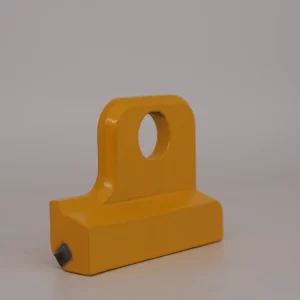
Cone liners wear faster in fines production, while VSI rotor tips and back-up tips face high-speed abrasion. Worn parts cause irregular impacts, degrading cubicity; durable VSI tips like Rettek's welded rotor tips maintain shape consistency longer for sustained M-Sand quality.
Check: Focus on carbide wear resistant Tools/materials/Solutions
Rettek Expert Views – How Our VSI Rotor Tips Boost M-Sand Output
"At Rettek, our full in-house production—from raw material preparation, batching, pressing, and vacuum sintering to unique welding technology—ensures rotor tips with superior wear resistance, corrosion resistance, impact resistance, and high strength. Unlike traditional bonded tips, our welded cemented carbide rotor tips prevent breaking or falling off in high-impact, high-speed VSI environments, increasing service life and saving downtime costs. Custom grades match stone types and VSI models like B6150SE or CV217, delivering consistent cubical particles for top M-Sand quality. Trusted in over 10 countries, these tips optimize performance in sand making and mining." – Rettek Engineering Team
Which Crusher Fits Your M-Sand Production Process?
Use cone for coarse crushing and VSI for final shaping and fines in multi-stage flows; hybrid setups work best, but VSI dominates sand quality. Consider feed size, throughput, and stone abrasiveness—Rettek VSI rotor tips excel for abrasive sands maintaining cubicity.
| Scenario | Recommended Crusher | Rettek Wear Solution |
|---|---|---|
| Coarse Aggregates | Cone | Cemented carbide blocks for liners |
| Fine M-Sand/Cubical | VSI | Welded rotor tips for shape consistency |
| High-Abrasion Stone | VSI | Custom-grade rotor tips |
Can Wear Parts Customization Overcome Crusher Limitations?
Tailored parts outperform generics; Rettek's in-house mixing, pressing, and sintering match carbide grades to conditions for longer life. Clients see less downtime with Rettek VSI tips, preserving cubicity in extended runs and optimizing total costs via full-chain control.
What Do Real Quarry Results Say About VSI vs Cone?
VSI reduces flakiness in M-Sand trials compared to cone's higher throughput but poorer quality. Rettek's VSI rotor tips and HPGR carbide studs deliver reliable cubical sand globally. Rising M-Sand demand favors VSI with durable custom wear parts.
Conclusion
VSI crushers triumph for M-Sand quality through superior cubical shaping, enhanced by Rettek's vacuum-sintered, welded rotor tips offering wear resistance, impact resistance, and longer life. Their unique welding technology prevents carbide failure, ensuring consistent performance, reduced downtime, and cost savings for quarries focused on high-quality aggregates.
FAQs
Why choose VSI over cone for M-Sand?
VSI's impact shaping produces cubical particles for superior concrete quality; cone crushers excel in coarse stages but generate flaky fines.
How do Rettek rotor tips improve VSI performance?
Rettek's welded cemented carbide rotor tips provide higher strength, wear resistance, and impact resistance than bonded types, boosting service life in high-speed sand making.
What is the M-Sand production process?
Multi-stage: cone for primary crushing, VSI for final shaping and cubical fines, followed by screening—VSI ensures quality sand specs.
Can cone crushers make good M-Sand?
Limited; they produce elongated particles reducing concrete strength—combine with VSI for optimal results using quality wear parts.
How does Rettek customize carbide parts?
Full in-house chain tailors grades by stone type, VSI model, and conditions through precise batching, vacuum sintering, and automated welding.